
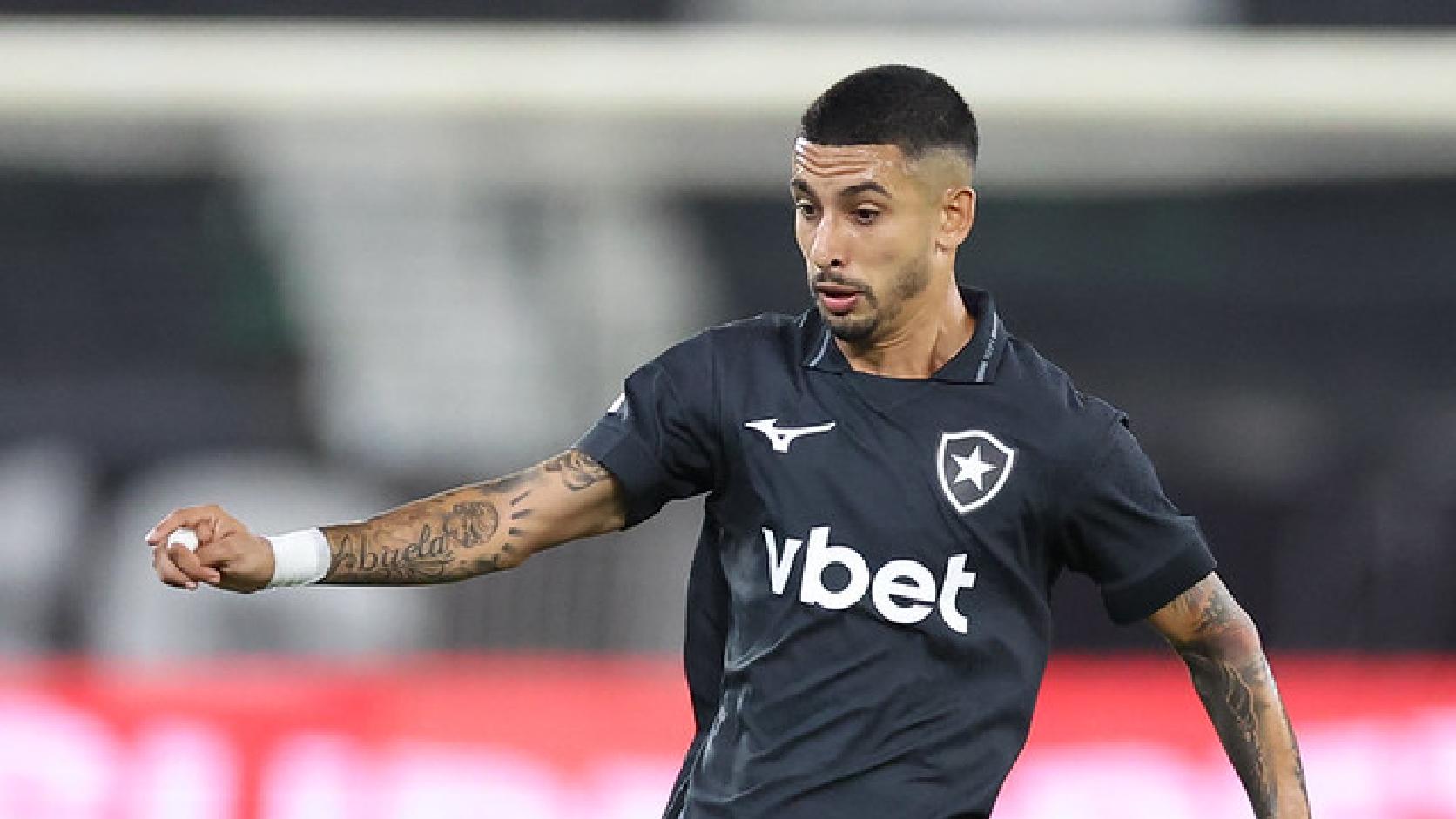
Santi Rodríguez wants more playing time. Fair enough. There is, however, one awkward detail: given what the Uruguayan has delivered, the request sounds a little selfish. Perhaps putting the team first means embracing the role that has helped Botafogo the most lately: playing less.
Wanting something does not make it happen, as Mom used to say. In football, being available to come on does not always mean it is a good idea either.
Santi wants more minutes, but wanting is not enough, as Mom used to say
Left out of the derby squad on technical grounds, Santi Rodríguez has lost ground at Botafogo and faces an uncertain future.
Keep reading

Flamengo 3-0 Botafogo: match review and player ratings
Botafogo lost 3-0 to Flamengo at the Maracanã; read the derby review and our verdict on each player.
Flamengo vs Botafogo: how to watch and projected lineups in Brazilian Serie A
Botafogo visit Flamengo at the Maracanã on Sunday; see how to watch, the projected lineups and absences for Round 25 of Brazilian Serie A.

Tiquinho Soares returns to Botafogo
Botafogo have officially re-signed Tiquinho Soares on a free transfer through December 2026.

Matheus Martins agrees salary with Dynamo as Botafogo sale nears completion
Matheus Martins has agreed personal terms with Dynamo Moscow, bringing his €7 million transfer from Botafogo close to completion.

Montoro stays: new deal makes him central to Botafogo's plans
Botafogo extend Álvaro Montoro's contract through December 2030 and place their No. 10 at the heart of the club's new sporting project.